
A furnished condo is not necessarily ready for its first guest. Before you publish a listing, you need to become familiar with the association's rules, regulations, and restrictions, and have a plan for who will handle each arrival, cleaning, communication, and repair. This will allow you to accurately represent your property and give guests a better overall experience.
This guide walks Panama City Beach owners through that preparation in a practical order. If you want local help assessing the work, Southern Coast Vacation Rentals property management can start with a walkthrough and a discussion of the services your condo needs.
Key Takeaways
- Confirm any rules or restrictions first. Association documents, the condo's jurisdiction, state licensing, and tax obligations can all affect your launch.
- Prepare for repeated stays. Durable furnishings, a complete inventory, reliable access, and clear parking instructions matter as much as attractive photos.
- Create a care plan before accepting bookings. Cleaning, inspections, replenishment, and after-hours maintenance need named owners and a clear handoff.
- Test the whole guest journey. A prelaunch stay can uncover confusing instructions, missing essentials, and inaccurate listing claims while there is still time to fix them.
Looking for more insights on running a successful rental?
Explore Our Property Management Guides
Check the Association Rules and the Condo Address
Start with reviewing the current condominium rules & regulations, rental policies, and any building-specific regulations. A previous owner's rental history does not prove your proposed stays are allowed now. Ask the association or its manager for the written rules that apply to your unit, and keep a copy with your operating records.
Confirm the length of stay and guest rules
Look for minimum rental periods, annual rental limits, advance registration, age and occupancy rules, pet restrictions, and requirements for the lease or guest roster. Check whether the building requires a separate parking pass, amenity registration, or wristbands. Ask who pays each fee and when it is due.
The association may also regulate door codes, lockboxes, deliveries, signage, noise, and use of shared spaces. A guest can follow your instructions perfectly and still run into trouble if those instructions conflict with the building's rules. Turn the approved rules into a short, readable arrival guide before you launch a listing.
Confirm which local government rules apply
“Panama City Beach” in a mailing address does not establish that a condo is inside the City of Panama City Beach. Verify the parcel's jurisdiction first. The City's short-term rental program applies within city limits. A property outside those limits may follow a different local process. Check current PCB requirements for the exact property type instead of assuming that a rule for a detached house also applies to a high-rise condo.
This address check belongs early in the project. It determines which local offices you contact, which applications you prepare, and what you can state confidently to a prospective guest.
Complete Licensing Taxes and Safety Requirements
Rules change, and the required combination depends on the unit and its location. Keep a simple compliance file with application confirmations, approvals, renewal dates, tax accounts, inspection notes, and association correspondence. Assign one person to maintain it.
Review the state and city requirements
Florida's Department of Business and Professional Regulation licenses qualifying vacation rental condominiums. Confirm the license category and whether a new application is needed when ownership or operations change. Do this before taking reservations.
For a qualifying unit inside Panama City Beach city limits, the City describes a Vacation Rental Certificate process that includes supporting documents and an inspection. Its current guidance also identifies a City Business Tax Receipt and required information for guests and exterior identification. Follow the City's published checklist for your unit rather than treating another building's setup as a template.
Walk the unit with safety and inspection requirements in mind. Check smoke and carbon monoxide alarms where required, fire extinguishers, doors and windows, stair access, electrical outlets, and any required postings. Record when devices were tested. A property manager or inspector can help identify tasks, but the owner should know who is responsible for completing and documenting them.
Set up tax responsibility before the first booking
Short stays can involve Florida sales tax, applicable surtax, and Bay County tourist development tax. The Florida Department of Revenue and Bay County's tourist development tax office explain the current requirements. Confirm which party registers, collects, files, and remits each tax for every booking channel. Do not assume that an online marketplace handles every local obligation.
Also ask your insurance adviser whether your policy covers the planned short-term rental use, guest liability, storm-related interruption, and the contents you will provide. Keep a current contact list for the insurer, association, manager, and local service providers.
Set a Budget That Reflects the Actual Operation
Price the launch before shopping for decor. Separate one-time costs, such as furnishings, linens, locks, photography, and safety work, from recurring costs, such as utilities, internet, association dues, insurance, cleaning, consumables, management, and repairs. Leave room for replacement items and building assessments.
Rental revenue is not the amount an owner keeps. If you use net operating income as a planning measure, define it as gross rental revenue minus ordinary operating expenses. Financing costs, taxes on income, and capital improvements may require separate treatment. An accountant can help you model the full picture for your ownership structure.
Check the association's current charges as carefully as the nightly rate. Parking passes, guest registration, amenity access, or required building services may affect both your cost and the guest's total price. Build a calendar that accounts for owner stays, maintenance blocks, and building work. A realistic plan is easier to operate than one that assumes every open night will book.
Furnish the Condo for Repeated Guest Stays
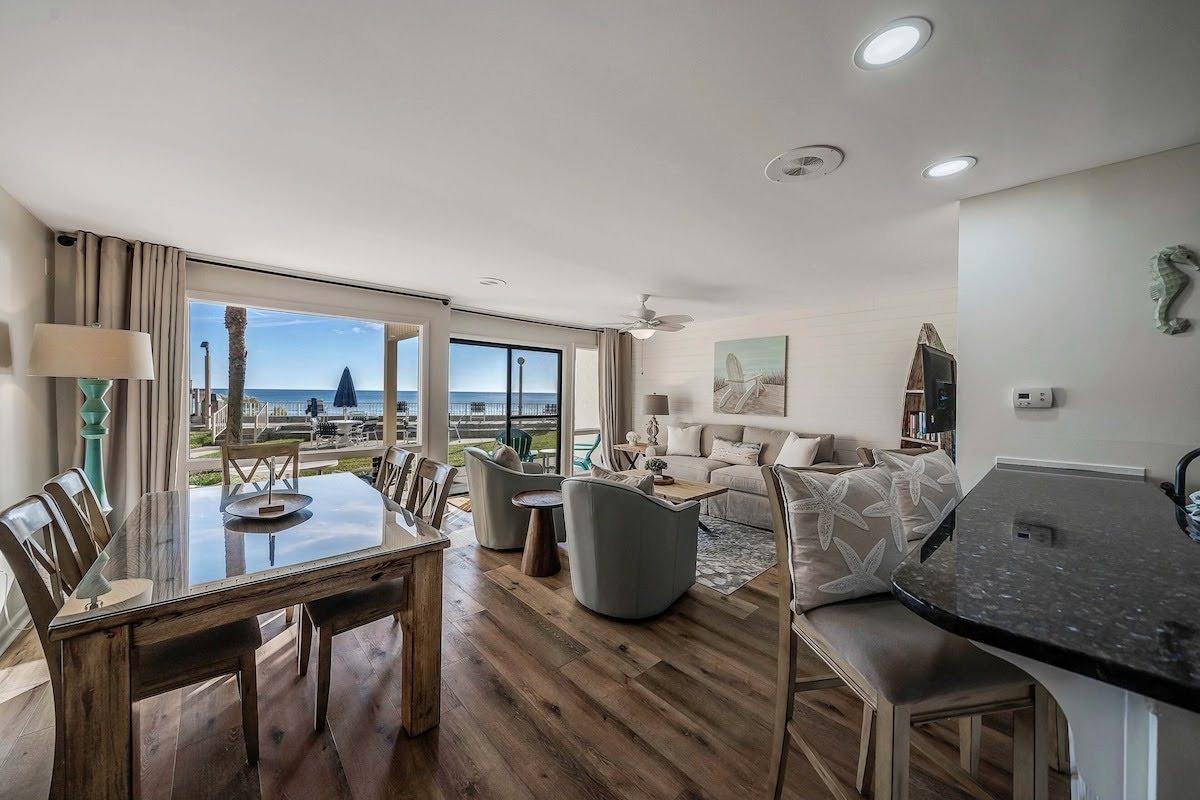
Buy for function and replacement, then choose the finishing details. A rental condo needs surfaces that clean well, seating that matches its approved occupancy, and storage guests can actually use. Keep pathways clear, especially between beds, bathrooms, and exits. If a piece is fragile or hard to replace, consider whether it belongs in the rental.
Build a room-by-room inventory
Make a checklist for each room and photograph the setup. Include mattresses and protectors, pillows, linens, towels, lamps, hangers, cookware, dishes, glassware, utensils, a coffee setup, cleaning tools, and a basic supply reserve. Set quantities around the permitted guest count and your turnover schedule. Mark which items are owner supplies and which are replenished after each stay.
Test every appliance and remote. Label unfamiliar controls in plain language. Provide a secure place for spare batteries and replacement bulbs so a small issue does not turn into an after-hours visit. If the condo has a balcony, washer and dryer, beach gear, or a workspace, inspect and inventory each feature before advertising it.
Test comfort and connectivity
Stand in the rooms as a guest would. Can someone read by the bed? Is there enough seating for the listed occupancy? Can luggage be set down without blocking a walkway? Does the shower drain well? These ordinary details shape the stay more than decorative extras.
Check Wi-Fi speed and coverage inside the actual unit, including the bedrooms. Write down the network name and password exactly as guests will see them. Test the television, streaming access, thermostat, and any smart lock with a fresh guest code. If service depends on a building system, document a backup contact and the instructions to use if it fails.
Make Arrival and House Rules Easy to Follow
Arrival is where several independent systems meet: the unit door, building entrance, parking, registration, elevators, and perhaps a security desk. Walk the route from the road to the front door. Note the directions, parking level, loading area, and any place a first-time guest could reasonably be confused or need extra direction.
Write arrival instructions in the order the guest will use them. State the approved parking process and vehicle limits. Explain when a pass or wristband is collected, whether registration must be completed in advance, and whom to contact if a code or gate does not work. Use current building language, and update the guide whenever its procedure changes.
Keep house rules short and specific. Cover occupancy, quiet hours, smoking, pets, trash, beach equipment, and checkout only as they apply to the unit and association. Avoid promises such as “free parking” or “full amenity access” until the exact terms have been confirmed. Give guests a single, clear contact path for urgent problems.
Create a Turnover and Maintenance Plan
Cleaning is one part of the handoff between stays. Build a written turnover checklist that covers linens, bathrooms, kitchen, floors, appliances, trash, entry codes, inventory, and a final photo record. Identify the expected completion time and who checks the unit before the next arrival. Define how damage or a missing item is reported and approved for repair.
Add routine inspections and supply control
Schedule inspections beyond the standard cleaning. Look for leaks under sinks, HVAC filter needs, loose furniture, worn linens, balcony or door issues, and signs of moisture. Match the inspection frequency to usage and the building's requirements. Keep a supply par level so teams can restock consistently without guessing what belongs in the unit.
Document vendor access and repair approval limits. Decide who can authorize an urgent repair, how the owner will be informed, and where invoices and completion photos are stored. Plan for guests who need help after normal business hours. A reliable escalation path matters more than a vague promise that someone is “available.”
Plan for storms and building disruptions
Panama City Beach owners also need an interruption plan. Record who monitors official weather notices, who communicates with current and arriving guests, and who checks the unit after a storm when it is safe to do so. Keep association notices about elevator work, pool closures, or construction in the same operating file. Review future reservations if a material amenity or access route changes.
Clear responsibilities help the owner, service team, and guest receive consistent information when plans change.
Photograph and Accurately Describe th Property

Schedule professional property photography after the condo is furnished, inspected, and clean. Use current images of the specific unit, not a similar floor plan or another condo in the building. Professional aerial photography can help show the building's location and surrounding area when it is accurate, permitted, and relevant. It should never imply that a particular unit has a view or access it does not have.
Write the listing description from a verified feature sheet. Record the bed setup, approved occupancy, parking terms, Wi-Fi, kitchen equipment, accessibility limitations, fees, and association procedures. Confirm whether amenities are available to rental guests, whether they operate seasonally, and whether a reservation or separate payment is required. Avoid broad claims about “every condo” in a resort.
Publishing across appropriate channels can increase visibility, but each channel needs the same accurate facts, calendar, house rules, and fee disclosures. That may include Airbnb, VRBO, Florida Rentals, other suitable marketplaces, and a direct-booking website. Assign one person to review changes across every listing so guests do not receive conflicting information.
Use Dynamic Pricing Tools With a Deliberate Calendar
Dynamic pricing tools can help respond to dates, demand, and booking pace. They still need human review. Start with the unit's actual features, location, building rules, operating costs, and comparable listings. Then set minimum acceptable rates and stay lengths that comply with the association and local rules.
Watch the total guest price, not only the nightly rate. Cleaning charges, parking or registration fees, and required taxes affect what a guest sees at checkout. Check that owner blocks, maintenance windows, and existing reservations stay synchronized across channels. Review performance regularly and adjust the plan when circumstances change; no tool can guarantee occupancy or revenue.
Run a Prelaunch Test Stay
Before opening the calendar, ask someone unfamiliar with the condo to follow the arrival guide and stay overnight. Have them test parking, building entry, the door code, Wi-Fi, television, showers, kitchen basics, sleeping setup, and checkout. Ask them to read the listing and flag anything that feels unclear or overstated.
Fix the findings, then perform one final cleaning and inventory check. Confirm that permits, insurance, tax workflows, emergency contacts, listings, pricing, and guest messages are ready. Save a dated launch checklist so later changes can be traced to a decision rather than a memory.
Frequently Asked Questions
Can I rent any Panama City Beach condo for short stays
No single answer applies to every condo. Check the association's current rental rules, the property's jurisdiction, and applicable state and local requirements. A building's marketing or another owner's listing is not a substitute for written approval for your unit.
Do I need a license before I list the condo
Florida requires a license for qualifying vacation rental condominiums. A condo within Panama City Beach city limits may also need a City Vacation Rental Certificate and related local steps. Verify the requirements for your address and ownership arrangement before accepting bookings.
What should I buy first for a short term rental condo
Start with safety and inspection items, reliable access, beds and linens, functional kitchen equipment, and the supplies needed for a complete turnover. Use the approved occupancy and room-by-room inventory to guide quantities. Save photography and decorative purchases until the operating essentials are in place.
Should I hire a property manager before furnishing
An early conversation can help you avoid buying items that do not suit the guest count or turnover plan. Ask what the manager supplies, what the owner must provide, how repairs are approved, and which compliance tasks remain the owner's responsibility. Get the service scope in writing.
How SoCo Can Help Owners Prepare
Southern Coast Vacation Rentals works with Panama City Beach owners on the operating side of short-term rentals: professional property and aerial photography, listing distribution, dynamic pricing tools, local housekeeping, routine inspections, and 24/7 maintenance support. Owners can review live calendars, statements, and financial reporting through an owner portal. The scope for a particular condo should be confirmed during a walkthrough and in the management agreement.
If you are comparing a managed launch with self-management, review the SoCo property management approach alongside your association rules, budget, and preferred level of involvement. Bring the current condo documents and a list of known repairs to that conversation.