Searching for family-friendly beachfront vacation rentals for children, teens, or grandparents is about more than the view. The right layout, reliable beach access, and clear property rules can make the whole trip easier.
Southern Coast Vacation Rentals (SoCo) helps families browse available Panama City Beach vacation rentals and compare the details that matter before booking.
A listing may use the words “family-friendly,” but the better question is whether or not the home is a good fit for your family. A toddler, a teenager, and a grandparent’s needs and desires can vary drastically, and it’s important the vacation rental you choose checks all the boxes. This guide shows you what to look for, how to choose the best location, and how to plan safer days by the water.
Key takeaways
- A family-friendly rental should match your group’s sleeping needs, daily routine, mobility, and comfort-not just its maximum guest count.
- “Beachfront,” “beach-view,” and “walk-to-beach” can describe very different door-to-sand experiences, so verify the route before booking.
- No beach is safe in every condition. Check the current flags, surf conditions, weather, water-quality notices, and lifeguard schedule each day.
- The easiest family stays usually come from confirming rules, fees, parking, beach gear, and property-safety details before arrival.
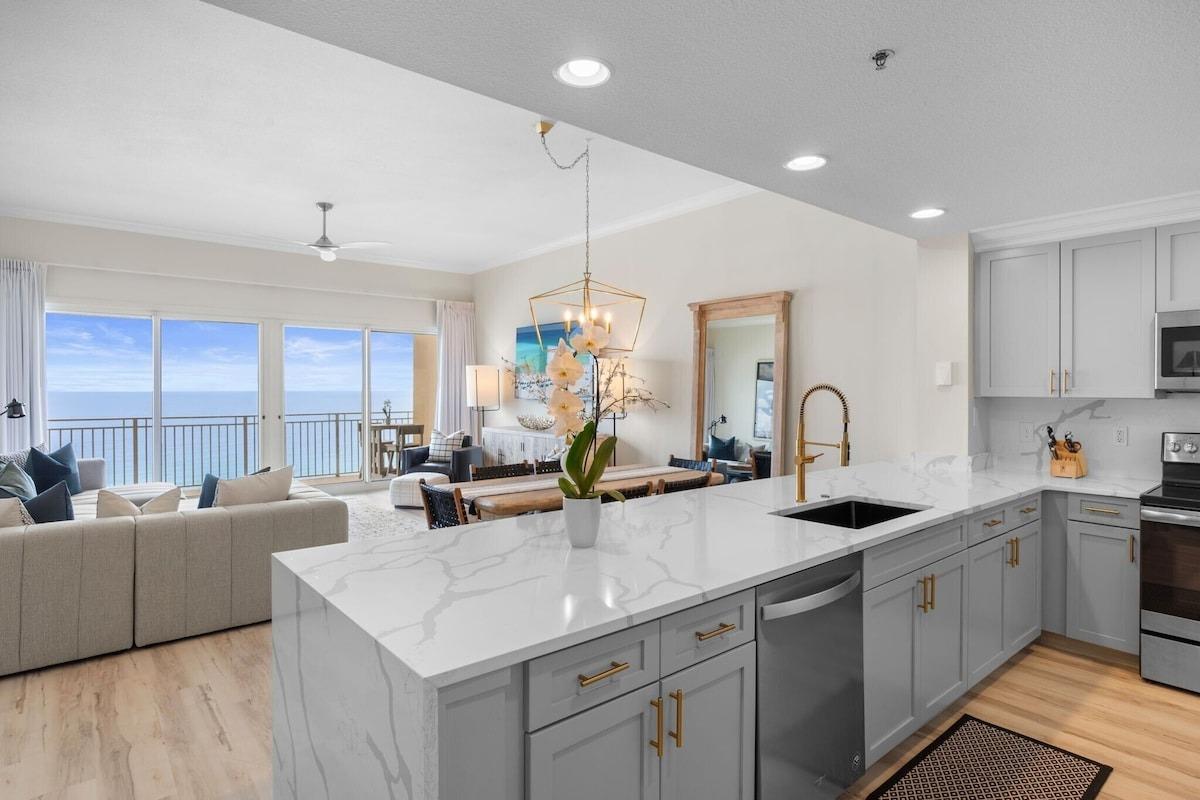
What Makes a Beachfront Rental Family-Friendly?
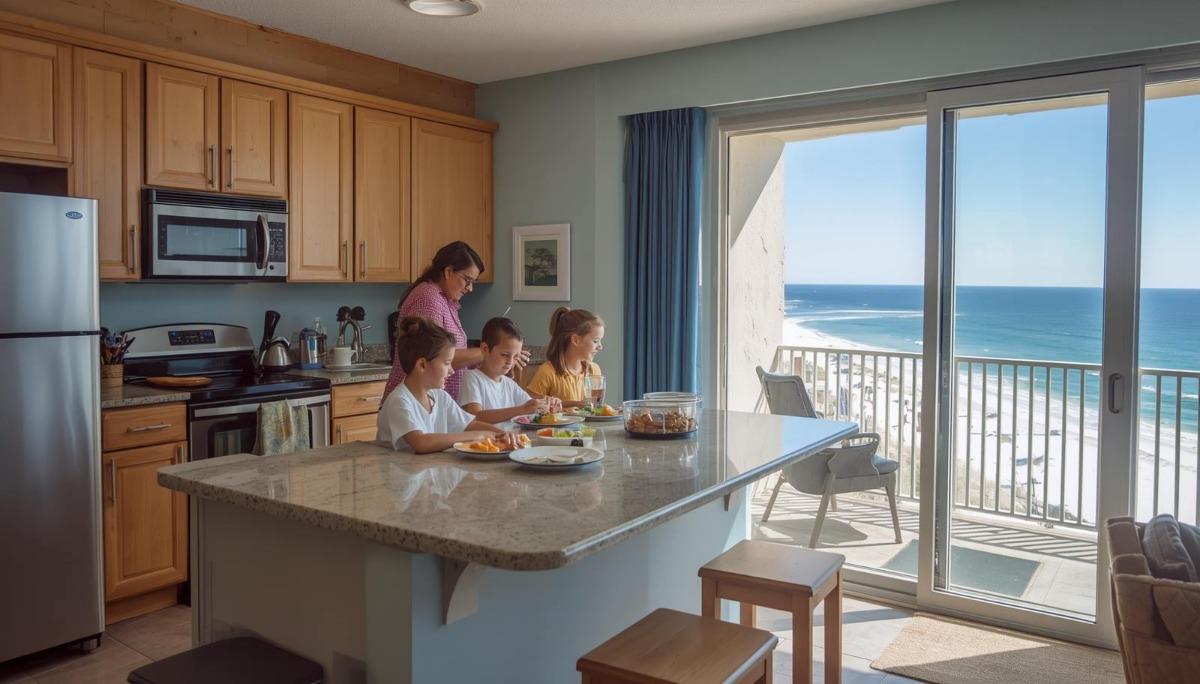
Family-friendly beachfront vacation rentals reduce the small points of friction that can turn what should be a relaxing getaway into a stressful experience. They give people enough space to sleep, make meals and laundry manageable, and offer a route to the beach that the group can use comfortably.
A layout that works after bedtime
Start with beds, not the advertised sleep number. A condo may technically sleep eight because it includes a sofa bed and bunks, but that setup may not work if adults want to talk after young children go to sleep.
Check the bedroom locations, bathroom access, bunk placement, and whether anyone must pass through a sleeping area to reach a bathroom. For multigenerational trips, ask whether a bedroom and full bathroom are on the same level as the main living space. Confirm whether the elevator, entry, shower, and balcony threshold fit the needs of anyone with limited mobility.
A kitchen and laundry setup that supports real life
A full kitchen can make breakfast, snacks, and early dinners easier. Look closely at the listing photos and amenity list instead of assuming every kitchen has the same equipment. If your family needs a high chair, blender, child-safe dishes, or a specific coffee setup, ask before arrival.
In-unit laundry is especially useful after sunscreen, pool time, and damp beach towels. Confirm whether towels for the beach or pool are provided; bath towels should not be treated as beach towels.
Amenities your family will actually use
Pools, splash areas, game rooms, and beach service can add value, but only when they fit your routine. A pool does not remove the need for close supervision. A balcony view may be less useful than a lower floor or a shorter elevator trip for a family carrying strollers and beach gear.
Verify whether amenities are open, seasonal, shared, heated, or subject to separate fees. Review resort rules for wristbands, quiet hours, parking, pool access, and the minimum age required to book.
Local support when plans change
Families often need quick answers: where to park, how to enter after hours, whether an amenity is working, or what to do when weather changes the day’s plan. Clear arrival instructions and an easy way to reach the property manager can be as important as a pool or view.
What Beach Is Known as the Family Beach?
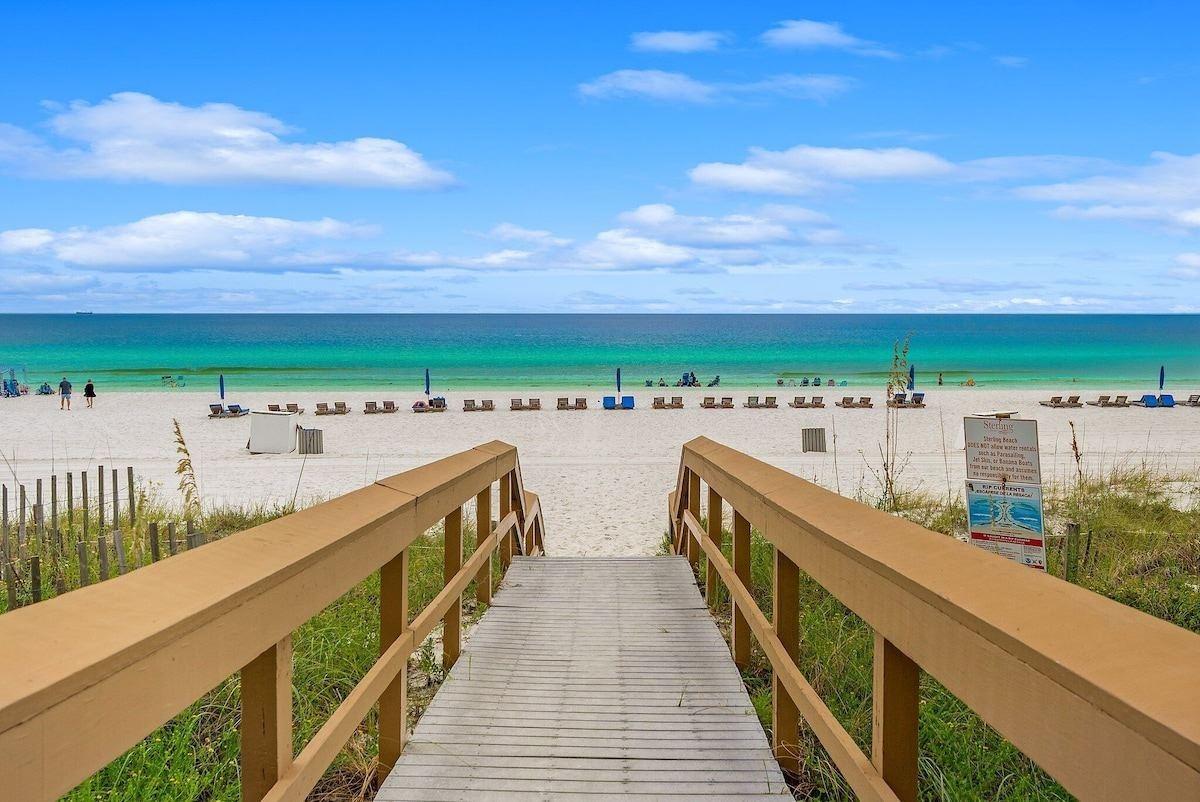
For travelers researching Panama City Beach, the local tourism organization also promotes a Family Beach travel experience. Panama City Beach offers 27 miles of shoreline, many vacation rentals, parks, family attractions, and nearly 100 public beach access points. Those options make it possible to build very different kinds of family trips in the same destination.
The better question is not whether one section of the beach owns the family label. It is whether the location, rental, current conditions, and activities fit your family’s ages and routines.
Match the area to the trip you want
Families who want shopping and entertainment close by may prioritize the Pier Park area. Those planning nature outings may look toward St. Andrews State Park, Camp Helen State Park, or easy access to a marina. A sports tournament, wedding, or reunion may make travel time to a particular venue more important than being near a famous attraction.
Use a map to check the actual route from the rental to the places on your itinerary. “Near” can mean a short walk, a drive, or a trip that changes with traffic. Confirm the location instead of relying on a broad area label.
How to Choose Panama City Beach Family Vacation Rentals
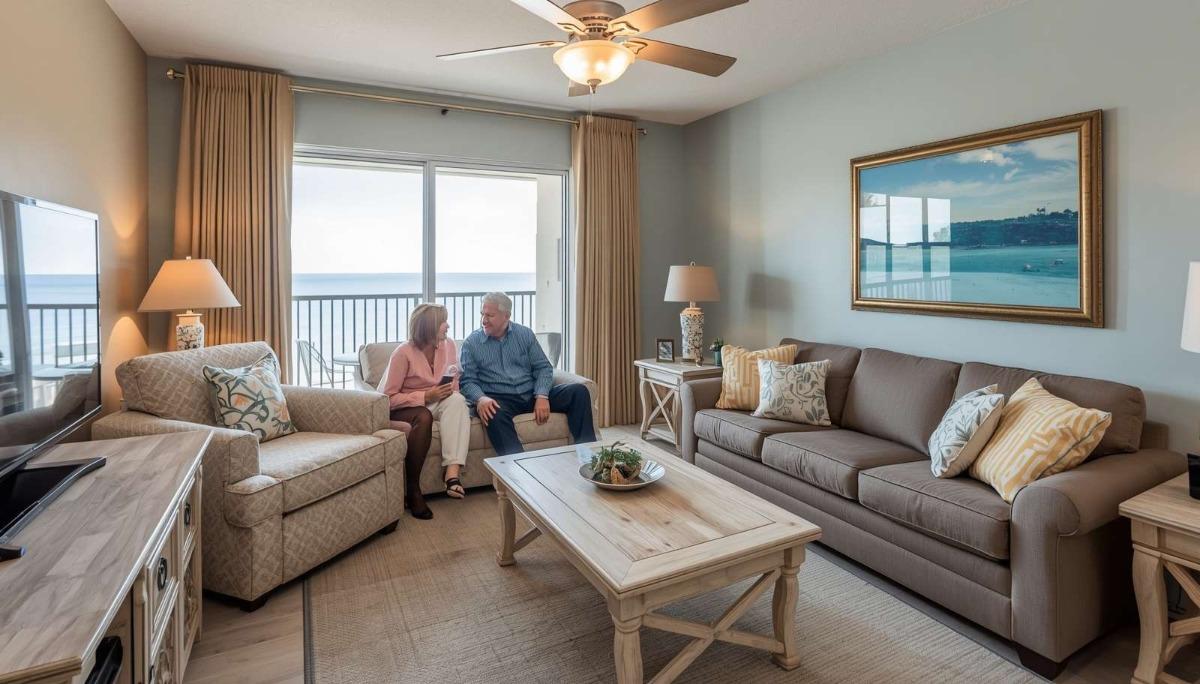
The best Panama City Beach family vacation rentals are the ones that accommodate your group’s practical needs. Build a short must-have list before opening dozens of tabs.
Verify the complete door-to-sand route
“Direct beach access” may still involve an elevator, parking deck, skybridge, gate, boardwalk, stairs, or a long walk across a resort property. Ask:
- Is there a road to cross?
- Are stairs unavoidable?
- Is the boardwalk suitable for a stroller or mobility device?
- How far is the elevator from the unit and the beach exit?
- Is there a place to rinse sand from feet and gear?
- Are restrooms available near the pool or beach access?
- Can a beach cart travel the full route?
This route often matters more than the distance measured on a map.
Read the sleeping plan, not only the capacity
Look at every bed and decide who will use it. Check mattress sizes, bunks, sofa beds, and whether a “bunk area” is in a hallway. Review the number and location of bathrooms. If privacy, naps, or early bedtimes matter, ask how sound travels between the living room and sleeping spaces.
Confirm the full trip price and the rules
Compare the total price for the same dates and guest count. Look for cleaning charges, taxes, parking or registration fees, damage protection, pet fees, and optional services. Review the cancellation policy and consider whether optional travel insurance fits the family’s circumstances.
Confirm occupancy, minimum booking age, vehicle limits, pet rules, and check-in instructions. If a child-specific item appears in a photo but not in the amenity list, do not assume it will be available.
Once your must-have list is clear, compare SoCo’s Panama City Beach beachfront rentals by dates, capacity, property type, and the details shown on each listing.
Beachfront, Beach-View, or Walk-to-Beach?
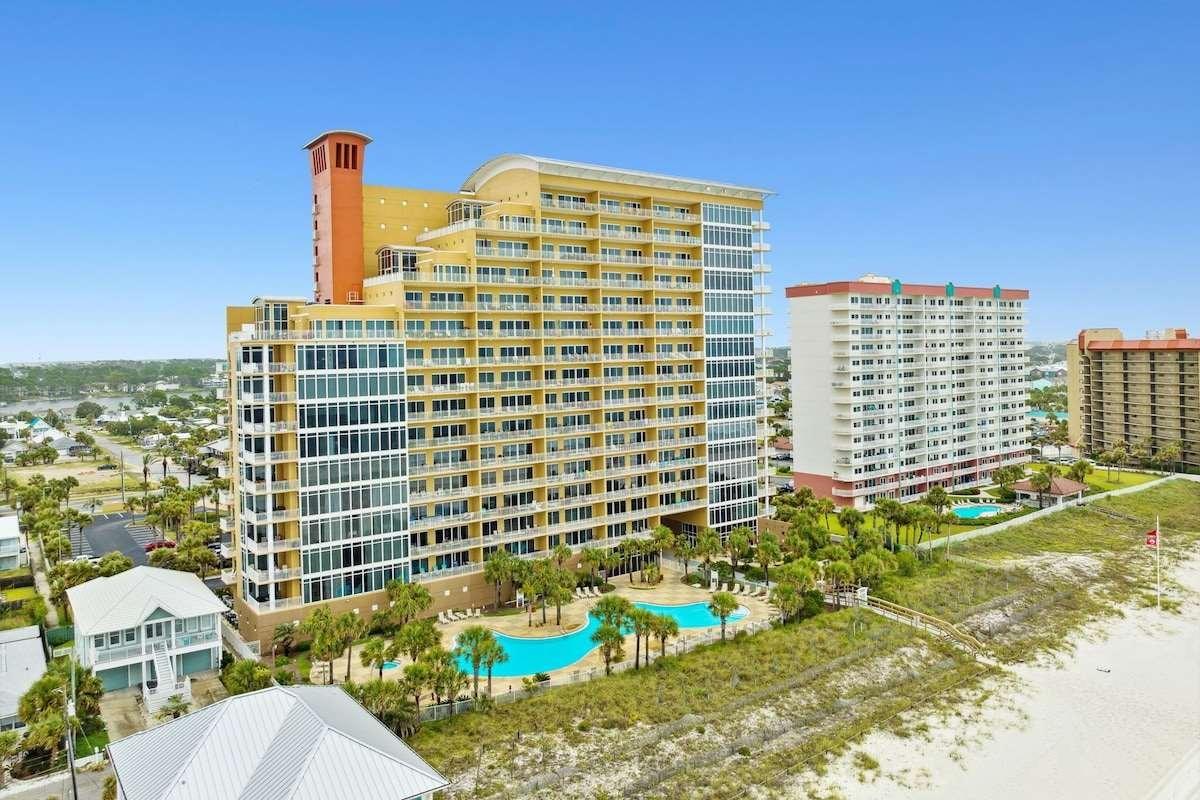
Rental terms are not always used consistently across platforms. Read the map, photos, and written description together.
A walk-to-beach home with easy parking and no elevator can work better for one family than a high-rise beachfront condo. Another family may value the shortest possible sand route. Treat the label as a starting point, then verify the experience.
What Is the Safest Beach Vacation?
Source: Visit Panama City Beach
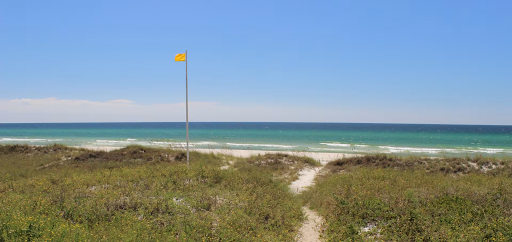
There is no single beach that is safest in every season and every condition. A safer beach vacation is one planned around live surf and weather information, monitored water quality, lifeguard availability, swimmer ability, and active adult supervision.
Check conditions every day
Source: Visit Panama City Beach
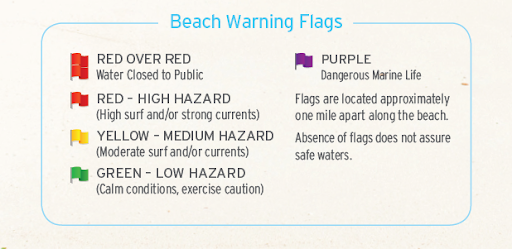
Panama City Beach uses color-coded warning flags. The official Panama City Beach beach-safety page explains the current system:
- Double red means the water is closed to the public.
- Single red means high hazard from high surf and/or strong currents.
- Yellow means a medium hazard from moderate surf and/or currents.
- Green means low hazard, but caution is still required.
- Purple warns of dangerous marine life.
Conditions can change during the day, and the absence of a flag does not guarantee safe water. Check the live local condition source, posted flags, weather, and surf forecast before anyone enters the water. Selected Panama City Beach locations have seasonal lifeguard coverage; confirm the current locations and hours rather than assuming every stretch is guarded.
The Florida Department of Health in Bay County also provides beach water-quality information. The CDC recommends checking whether a swimming area is monitored, under an advisory, or closed before visiting.
Use a designated water watcher
Choose one unimpaired adult to watch children in and around the water without reading, scrolling, or socializing. Rotate the role so the watcher stays attentive. Children and weaker swimmers need close, continuous supervision even when a lifeguard is present.
Swim near a lifeguard when available, use the buddy system, and stay within personal ability. Inflatable toys and pool floats are not substitutes for swimming skill or a properly fitted life jacket when one is appropriate.
Know what to do around rip currents
The National Weather Service rip-current guidance recommends checking the surf forecast, following flags and lifeguard instructions, and never swimming alone. If caught in a rip current, remain calm, conserve energy, and swim parallel to the shore to move out of the current before returning at an angle. If you cannot escape, float or tread water and signal for help.
If someone else is in trouble, alert a lifeguard or call 911 and throw a flotation device. Do not enter the current and become another person who needs rescue.
Include heat, lightning, and the rental itself
Apply broad-spectrum sunscreen as directed, use shade and protective clothing, drink water often, and schedule breaks from heat. Leave the beach when thunder is heard and follow local weather guidance. A building or hard-topped vehicle is safer than an open beach during a thunderstorm.
Check the rental upon arrival. Look at balcony and sliding-door locks, bunk rails, blind cords, stairs, outlets, patio doors, pool gates, and access to cleaning supplies or sharp tools. Move hazards out of reach when it is safe to do so and contact the property manager if a lock, gate, smoke alarm, or other safety feature appears damaged. A family-friendly listing should never be assumed to be childproof.
A 15-Minute Arrival-Day Family Orientation
Before unpacking completely, give the family a short orientation:
- Walk from the rental door to the beach access together. Identify gates, stairs, elevators, road crossings, and the return route.
- Check balcony, exterior, and pool-access doors. Set clear rules for children before those areas become part of the day.
- Choose a visible meeting point in case anyone becomes separated.
- Find the posted beach flags and save the official current-conditions page on a phone.
- Confirm the property address, parking location, local emergency number, and how to contact the property manager.
- Check the day’s weather and decide if anything would cause the family to leave the beach or stay out of the water.
This small orientation turns an unfamiliar building and shoreline into a place the group is comfortable navigating.
Family-Friendly Things to Do in Panama City Beach
A flexible itinerary makes it easier to respond to weather, energy levels, and beach conditions. Some current family options include:
- St. Andrews State Park for trails, wildlife, fishing, and shoreline activities.
- Camp Helen State Park for nature study, hiking, beachcombing, and views of Lake Powell.
- Pier Park for shopping, dining, and entertainment.
- Shipwreck Island Waterpark for a seasonal waterpark day.
- WonderWorks for an indoor, hands-on attraction.
- Coconut Creek Family Fun Park for mini golf and maze.
- ZooWorld for an animal-focused outing.
Check operating calendars, age or height requirements, ticket policies, and weather restrictions before leaving the rental. Keep one indoor option and one low-cost option ready. When the flags or forecast say it is not a swimming day, changing the plan is part of a well thought out beach vacation.
When to Book and What to Confirm
Summer, school holidays, and event weekends can narrow the choice of larger rentals. Book earlier when the group needs several bedrooms, a specific floor, an accessible route, multiple nearby units, or a specific set of amenities.
Before paying, confirm:
- The exact property, dates, guest count, and sleeping arrangement.
- Beach access, view description, floor, stairs, and elevator details.
- Parking location, vehicle limit, permits, and registration charges.
- Pool, splash area, hot tub, fitness room, and game-room availability.
- Whether beach chairs or umbrellas are included, seasonal, or rented separately.
- Kitchen equipment, laundry, linens, and beach or pool towel policy.
- Minimum booking age, quiet hours, pet policy, and occupancy rules.
- Total price, payment schedule, cancellation terms, and optional travel protection.
- Check-in method and the best contact for help during the stay.
Save the listing and confirmation details. Recheck property notices shortly before travel because maintenance schedules and shared-amenity availability can change.
Family Beach Vacation Checklist
Before booking
- List each guest and assign a realistic bed.
- Mark the family’s non-negotiables, such as elevator access, a tub, in-unit laundry, or a shorter beach route.
- Compare the complete price, not only the nightly rate.
- Read current reviews for patterns involving cleanliness, noise, elevators, parking, and communication.
- Confirm rules and child-related equipment directly when it matters.
Before leaving home
- Save the booking confirmation, property address, arrival instructions, and contact information offline.
- Pack sun protection, refillable water bottles, medications, and properly fitted flotation gear when needed.
- Bring a small first-aid kit and a waterproof way to carry a phone.
- Check the weather, surf outlook, and current travel notices.
- Give older children a simple family contact and meeting plan.
Before each beach day
- Check the flags, surf forecast, weather, and water-quality notices.
- Identify the water watcher and rotate the role deliberately.
- Choose a visible home base and count children before every transition.
- Bring water, shade, footwear, and only the gear the family can carry back.
- Follow Leave No Trace rules and remove personal items from the beach at the required time.
Frequently Asked Questions
Is Panama City Beach good for families?
Panama City Beach can work well for families because it offers a wide range of rental types, public beach access points, parks, dining, and activities for different ages. The right fit depends on location, dates, live beach conditions, and the details of the specific rental.
Are beachfront rentals safe with toddlers?
A beachfront location is convenient, but it does not make a rental childproof. Ask about balcony and exterior-door locks, stairs, bunk beds, pool access, and the route to the beach. Adults still need to provide close supervision in the rental, around pools, and near the water.
Is beachfront the same as beach-view?
Not always. “Beachfront” usually describes a building or home directly along the shore, while “beach-view” describes a view that may be direct, angled, or partial. Platforms and owners can use the terms differently, so check the map, photos, and access description.
Which area of Panama City Beach is best for families?
There is no single best area for every family. Choose based on the places you plan to visit, the type of beach access you want, traffic and parking needs, and whether you prefer more nearby activity or a trip centered on the rental itself.
Are all Panama City Beach beaches lifeguarded?
No. Lifeguards serve selected locations on seasonal schedules, and coverage can change with weather or operations. Check the official Panama City Beach safety page for current locations and hours, and never treat lifeguard presence as a substitute for supervision.
What amenities matter most in a family vacation rental?
Useful amenities often include a workable bed plan, enough bathrooms, a full kitchen, laundry, reliable Wi-Fi, convenient parking, and a beach route the group can manage. Pools and beach service can be valuable, but only after the basics fit.
How far ahead should a family book?
Book as soon as the family’s dates and must-haves are firm, especially for summer, school breaks, larger groups, accessible layouts, or multiple units in the same building. Flexible dates and fewer required features usually leave more options.
Does “family-friendly” mean a rental is childproof?
No. “Family-friendly” usually describes space, amenities, location, or guest suitability. It should not be treated as a safety certification. Review the listing and complete your own arrival check for the children in your group.
Find a Family Stay That Feels Easy From Day One
The right rental gives the family a dependable home base, a practical route to the sand, and fewer surprises after arrival. Start with the people in your group, then compare the layout, access, rules, total price, and current beach guidance.
If carrying less gear would make beach days easier, explore SoCo rentals with seasonal beach service included. Availability and inclusions vary by property and season, so confirm the individual listing description before booking.